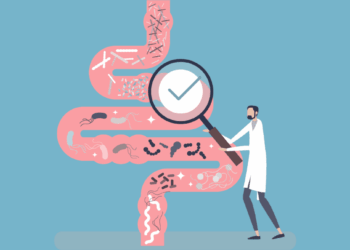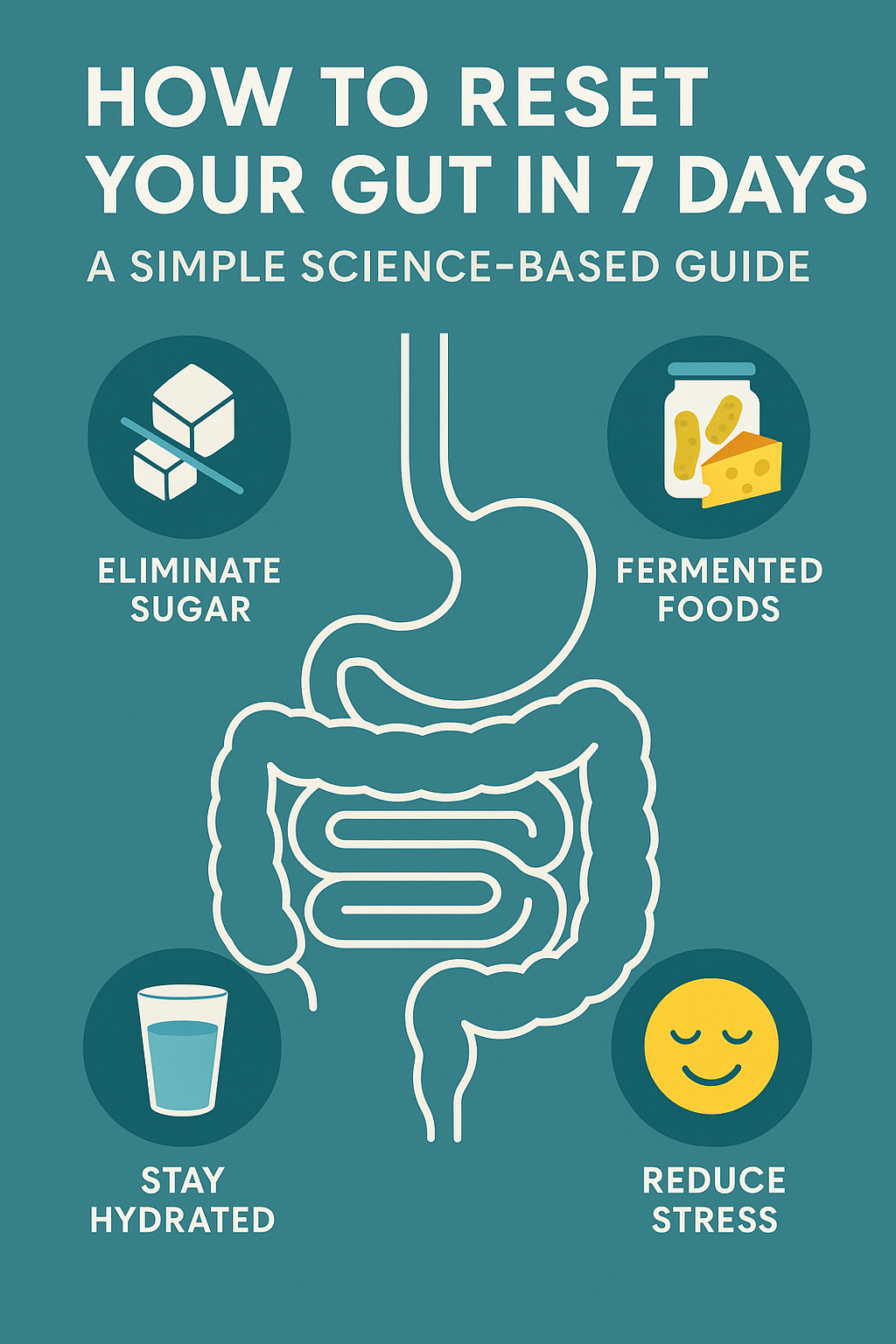
Your stomach does much more than digest food—it’s a dwelling place for trillions of small animals that influence everything from your immune system to your mood, weight, and even the well-being of your skin. If you’re bloated, sluggish, hazy, or breaking out, your stomach may be crying with pain.
Fortunately, a healthy gut can be created and renewed within seven days by making thoughtful dietary and lifestyle modifications. This book is an evidence-backed, easy-to-read guidebook for you to be lighter, clearer, and more radiant—naturally.
Day 1: Remove Sugar and Packaged Foods
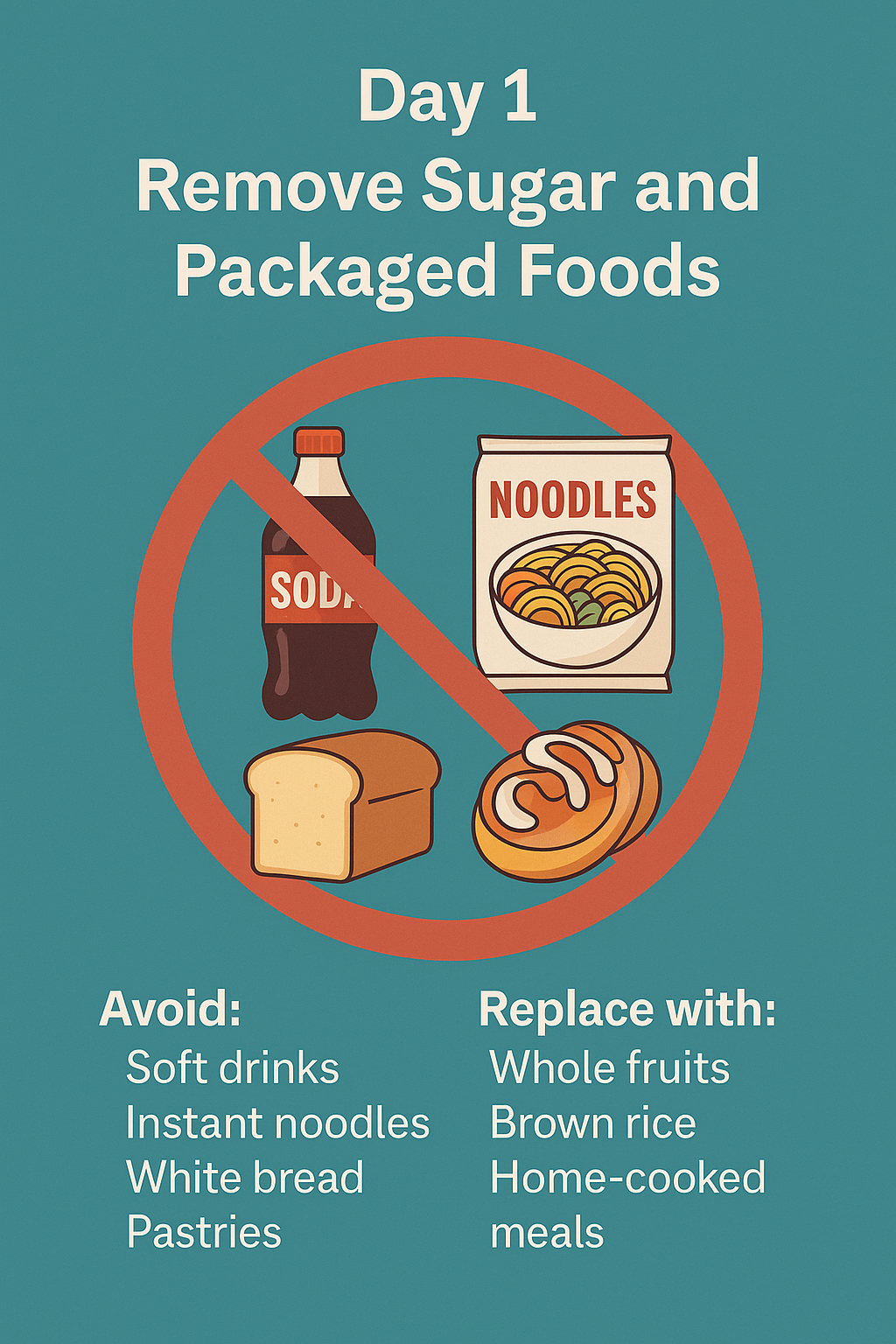
The starting point for healing your gut is reducing disease-causing bacteria-feeding foods. Added sugars and highly processed foods create inflammation and microbial imbalance in the gut.
Avoid: soft drinks, instant noodles, white bread, pastries.
Replace with: whole fruits, brown rice, and home-cooked meals.
According to research, even a week of cutting added sugars might do wonders for gut bacteria and inflammation markers.
Day 2: Add Fermented Foods
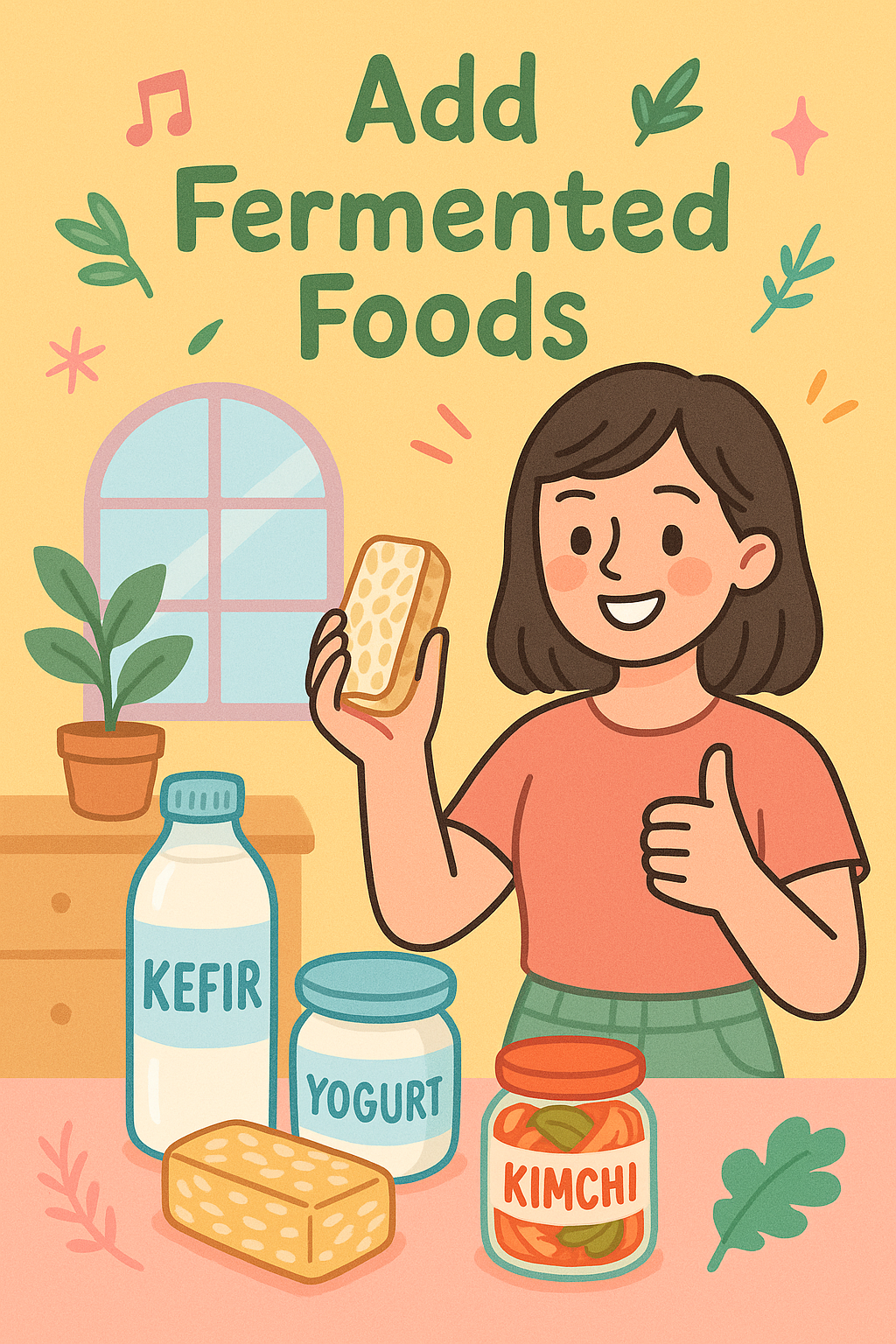

Fermented foods are packed with probiotics—good bacteria that help replace microbial diversity in the gut.
Superb options are: kefir, tempeh, fermented vegetables, plain yogurt, and kimchi.
Opt for products free of artificial preservatives and added sugars.
Aim for 1–2 servings of fermented foods per day to support microbial repopulation.
Day 3: Increase Prebiotic Fiber Intake

To nourish your probiotics, you’ll need prebiotics—a type of fiber that acts as food for healthy bacteria.
Excellent prebiotic foods: bananas, garlic, onions, asparagus, leeks, and oats.
Gradually add these foods to avoid digestive distress. Prebiotics enhance an abundant, varied microbiome, the cornerstone of long-term gut success.
Day 4: Hydrate

Water is essential for digestion and absorption of nutrients. Dehydration retards intestinal transit and detoxification.
Consume at least 8 glasses (2 liters) of water per day.
Steer clear of caffeine and alcohol in excess during your gut reset.
Optimal hydration also prevents constipation and ensures gut lining health.
Day 5: Choose Quality Sleep

Sleep and your gut are like two peas in a pod. Disrupted sleep disrupts your body clock, consequently upsetting microbial balance and digestion.
Sleep 7–9 hours every night.
Avoid screens one hour before bed and have consistent sleep patterns.
Good sleep equals lower gut inflammation and enhanced immune response.
Day 6: Get Moving

Mild exercise supports normal digestion and encourages intestinal muscle.
Do: walk, practice yoga, stretch, or gentle biking for at least 30 minutes.
Avoid intense exercise if you are fatigued.
Daily exercise encourages normal bowels and can boost beneficial gut bacteria levels.
Day 7: Relax and Pay Attention

Ongoing stress is one of the best saboteurs of gut health. It increases cortisol, worsens intestinal permeability (also referred to as “leaky gut”) and stimulates inflammation.
Exercise: deep breathing, journaling, meditation, or simply putting devices away.
Prioritize calm, restorative activity of at least 10–15 minutes daily.
Mind-body exercises not only calm your nervous system but also strengthen the gut.
Beyond 7 Days: Make It a Lifestyle, Not a Trend
A 7-day reset is an excellent beginning—but day-to-day gut well-being depends on it. What happens after this week is just as crucial as the reset itself.
To sustain the momentum:
Have a whole, fiber-rich diet consistently.
Incorporate fermented foods into your daily routine.
Exercise regularly, drink plenty of water, and maintain stress-free lives.
A healthy gut has far-reaching benefits to the rest of the body—leading to clearer skin, clearer minds, better moods, enhanced immunity, and effortless digestion.